
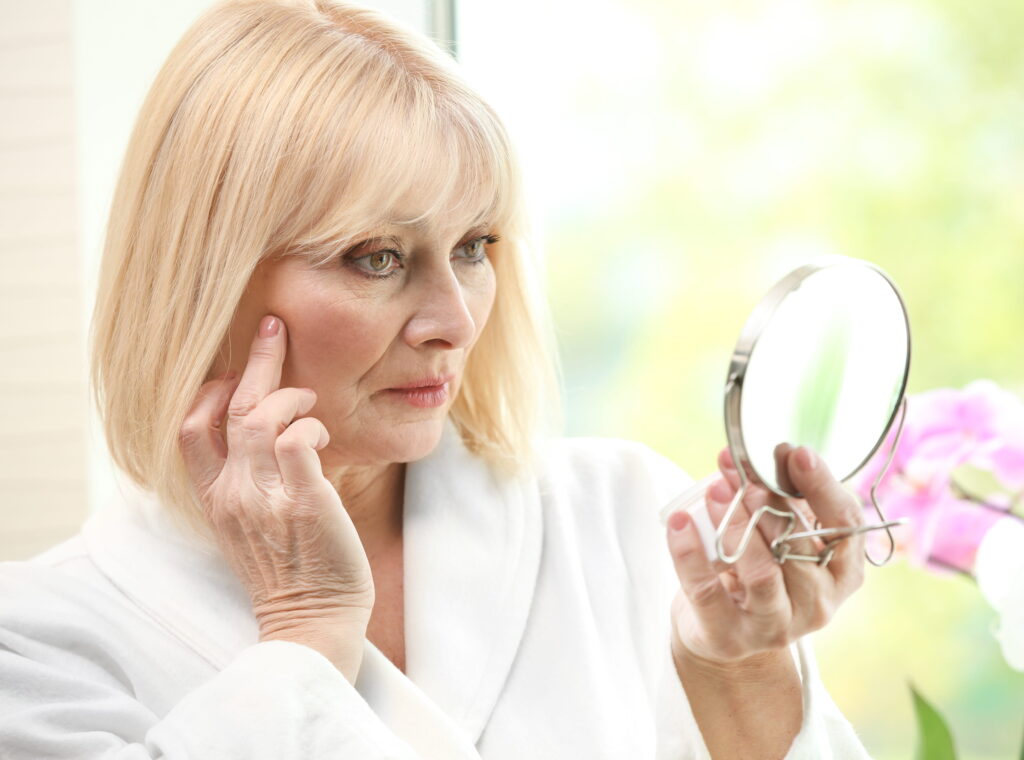
Life moves forward, yet how we age inside matters more than mere years. Inside each person, something quieter shapes skin over time – stress plays its part. When pressure hits, a hormone steps in – cortisol – helping systems react. That steady hum of warning chemicals? It keeps energy shifting during tough moments. Still, if that signal never dips below noise level, changes follow. Skin thins under constant alert. Lines form where tension lingers. Wrinkles appear where rest faded first. Inside your body, stress can show up on the surface – skin may react in quiet but clear ways. At Corona Clinic, they take time to explain these links while guiding steps toward better glow and well-being, built through balance, not fixes alone.
What Is Cortisol?
When life feels tough, whether physically or emotionally, the adrenal glands release a chemical called cortisol. This substance keeps things running smoothly – handling how the body uses energy, managing swelling, guiding immune reactions, also balancing blood sugar. Tiny spikes of it happen all the time, actually do good work. When stress lasts too long, cortisol stays high too. That is when problems on the skin tend to start showing up.
How Cortisol Accelerates Skin Aging
If cortisol levels remain elevated, they start interfering with how the skin works in several ways:
- Collagen Breakdown & Loss of Elasticity
When cortisol rises, it speeds up collagen breakdown while slowing down its creation. Collagen holds strength and shape in the skin. With repeated stress, damage from free radicals grows. Skin begins to weaken – lines form, it sags, wrinkles appear. - Weakened skin barrier and dryness
When stress hormones stay active too long, the skin’s shield begins to break down. Dryness creeps in, moisture vanishes, irritation flares, sensitivity rises. If eczema or rosacea already plague the area, a breached border makes things worse. - Inflammation and Breakouts
When cortisol goes up, it stirs more swelling and fat creation in skin layers. Higher oil flow – especially with redness – up the chance of bumps, blocked openings. - Delayed Healing and Barrier Repair
When cortisol slows healing, the skin takes extra time to fix cuts or dark spots. Because repair works slower, wrinkles show up clearer and skin feels flat. That lag leaves faces looking worn out.
Why Stress Leads to “Cortisol Skin Aging”
Furrowed skin isn’t the only mark – high cortisol stretches into more systems tied to aging:
- Skin cells and collagen fibers suffer harm from rising oxidative stress.
- A layer that breaks down too fast, speeding up wetness and a harsh skin feel.
- Inflammation suddenly worsens, making acne worse and sensitivity more intense.
When light exposure happens, skin might look older, lifeless, or less bright – no matter how many so-called anti-aging creams someone applies.
Tips to Protect Skin From Cortisol-Related Aging
Life brings stress, yet better skin can happen through small steps.
Manage Stress Naturally
Using mindfulness, yoga, or deep breathing might lower cortisol levels. Meditation often supports calm stress responses. Exercise routine done daily tends to stabilize hormone output. Breathing techniques stand alongside movement for balancing bodily reactions. Each practice works differently for separate people.
Prioritize Sleep
Cells fix themselves when sleep feels right. Rest gone, the body turns to emergency modes – more cortisol shows up, healing slows down under layers of tension.
Maintain a Balanced Diet
Foods packed with antioxidants – think berries, kale, or coconut oil – can ease oxidative stress while boosting how well your skin stays healthy.
Use a Soothing Skincare Routine
Skincare now aims at soft, nourishing routines building up the skin’s shield – using tools like antioxidants, ceramides, and moist air – to fight dryness and redness.
Professional Treatments That Can Help
When lifestyle steps aren’t enough, expert skincare treatments might boost skin’s ability to heal and adapt. Methods that spark new collagen could soften fine lines and leave skin feeling smoother – especially if combined with daily routines that support natural recovery.
Final Thoughts
High cortisol stays too long, showing changes in skin. Breaking down collagen speeds up when tension lingers. Inflammation creeps in, stronger each day. Barrier failures follow, letting moisture slip away. Mindfulness helps ease strain, step by quiet step. Skincare choices matter more now than before. Talking to someone trained brings clarity, another path opening. Younger-looking skin regains space to breathe, repair, renew.
Starting fresh with skin care? Reach out to Corona Clinic soon – they’ll build a custom approach tailored to how stress shows on your face, helping you glow without flaws.
